
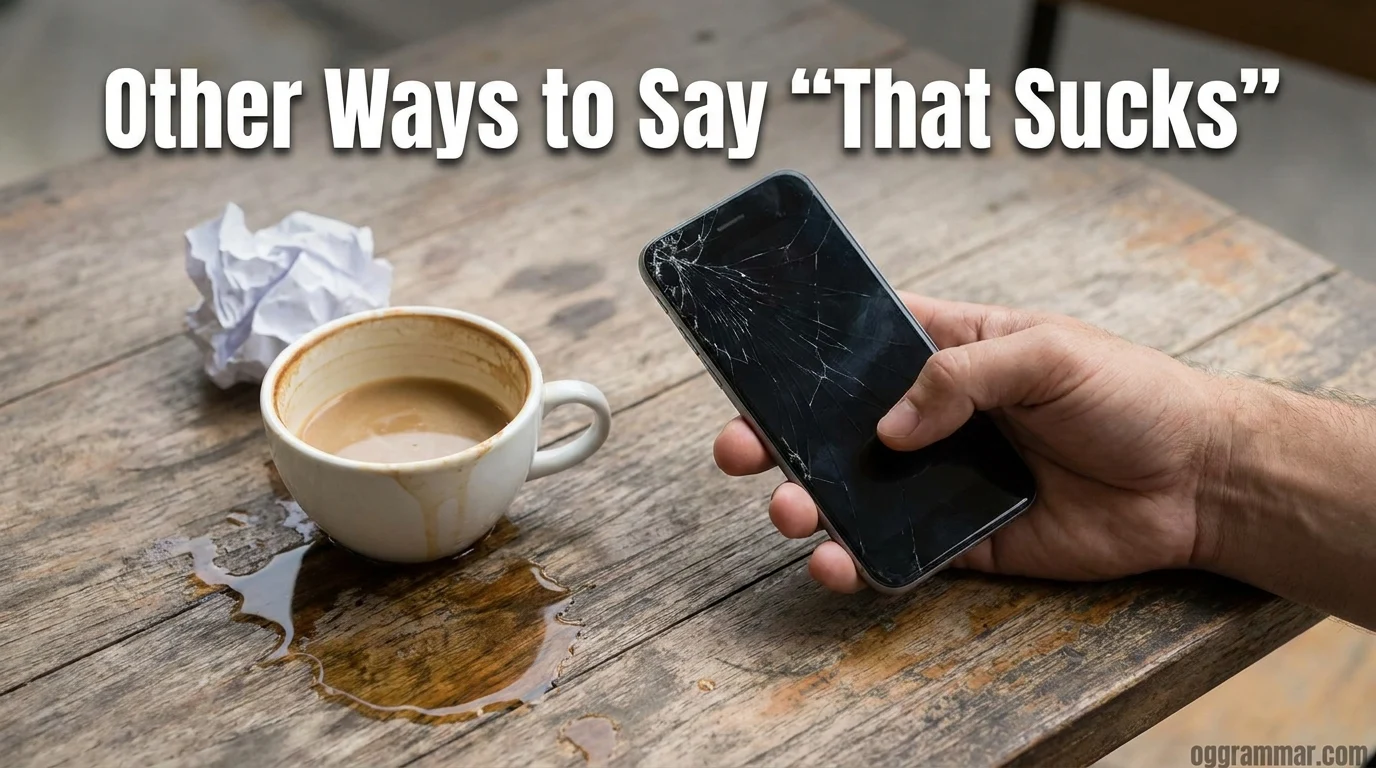
When something goes wrong, the first words out of your mouth matter more than people think.
“That sucks” is a common reaction because it is short, natural, and emotionally honest. It can mean disappointment, sympathy, frustration, or simple acknowledgment that something bad happened. But after using it a few times, it can start to feel repetitive, too casual, or not quite right for the situation. That is usually when people search for other ways to say it.
That search is really about communication. An articulate speaker knows that even a quick response can shape how empathy, support, or frustration is received. An expressive communicator understands that the way you respond to bad news can sound compassionate, informal, professional, or even comforting depending on the wording. Whether you are improving eloquent writing, verbal intelligence, storytelling skills, or communication mastery, having alternatives to “that sucks” gives you more control over tone.
People who are good with words often notice this instinctively. They know that when someone shares bad news, the goal is not just to react. The goal is to respond in a way that fits the moment. Sometimes you want to sound supportive. Sometimes you want to sound calm, Sometimes you want to sound more polished, Sometimes you want a phrase that feels more human and less slang-heavy.
In this guide, you will find the best other ways to say “that sucks”, along with meanings, tones, best-use cases, example sentences, emotional and professional impact, and real-life usage context. You will also learn how to choose the right phrase based on the relationship, what to avoid in professional settings, and how small wording changes can make your communication feel more thoughtful and natural.
Why wording matters when reacting to bad news
A reaction is never just a reaction. It is a signal.
A persuasive communicator understands that the way you respond to disappointment can make the other person feel:
- heard
- validated
- supported
- understood
- respected
That matters because the wrong response can sound dismissive, even if you did not mean it that way. A better phrase can make your response sound more caring, more polished, or more appropriate for the setting.
An expressive communicator does not just say “that sucks” every time something goes wrong. They choose wording that matches the mood, the relationship, and the amount of emotion they want to show. That is communication mastery in action.
Did you know?
People often remember how you made them feel more than the exact words you said. A thoughtful reaction can matter more than a clever one.
Quick comparison table of alternatives
| Alternative Phrase | Tone | Meaning | Best Use Case |
| That’s unfortunate | Neutral | Something bad or disappointing happened | polite, professional use |
| That’s a shame | Warm | Something is sad or disappointing | everyday conversation |
| I’m sorry to hear that | Caring | Expressing sympathy | personal and professional use |
| That’s rough | Casual | Something difficult or unpleasant happened | friends, informal chats |
| What a bummer | Casual | Something disappointing happened | relaxed conversation |
| That’s disappointing | Clear | Something did not meet expectations | general use |
| That’s terrible | Strong | Something very bad happened | serious situations |
| That’s frustrating | Direct | Something is annoying or upsetting | work, problem-solving |
| Tough break | Casual | An unfortunate outcome | sports, setbacks, light sympathy |
| That’s not ideal | Polite | A situation is less than perfect | professional communication |
| I hate to hear that | Warm | Sincere sympathy or concern | close or polite conversation |
| That’s brutal | Informal | Something is harsh or very bad | casual, strong reaction |
| What a setback | Analytical | A problem that delays progress | work, planning, projects |
| I feel you | Casual | Empathy and understanding | friends, relaxed conversation |
| That’s awful | Strong | Something is very unpleasant or bad | serious or emotional situations |
Best other ways to say “that sucks”
That’s Unfortunate
Meaning
A polite way to say something bad or disappointing happened.
Tone
Neutral, restrained, and professional.
Best Use Case
Workplace communication, polite conversation, formal settings.
Example Sentence
“That’s unfortunate, but I’m sure we can find another solution.”
Detailed Explanation
This phrase is one of the safest alternatives because it stays calm and respectful. It does not sound overly emotional, but it still acknowledges that something went wrong.
Emotional or Professional Impact
It sounds composed, mature, and considerate.
Real-Life Usage Context
Used in emails, meetings, customer service, and polite conversation.
That’s a Shame
Meaning
Something disappointing or sad has happened.
Tone
Warm, sympathetic, and natural.
Best Use Case
Everyday conversation, friendly check-ins, casual support.
Example Sentence
“That’s a shame — I was really hoping it would work out.”
Detailed Explanation
This phrase is a little softer than “that’s unfortunate.” It works well when you want to show real disappointment without sounding dramatic.
Emotional or Professional Impact
It feels human, compassionate, and gentle.
Real-Life Usage Context
Used with friends, coworkers, and familiar contacts.
I’m Sorry to Hear That
Meaning
You are expressing sympathy or compassion for someone’s bad news.
Tone
Caring and sincere.
Best Use Case
Personal support, polite professional messages, emotionally difficult situations.
Example Sentence
“I’m sorry to hear that — let me know if there is anything I can do.”
Detailed Explanation
This is one of the most useful alternatives because it does more than react. It shows empathy and invites support.
Emotional or Professional Impact
It creates trust, warmth, and emotional intelligence.
Real-Life Usage Context
Used in texts, emails, support conversations, and condolences.
That’s Rough
Meaning
Something difficult, unpleasant, or hard has happened.
Tone
Casual and sympathetic.
Best Use Case
Friends, informal conversation, relaxed sympathy.
Example Sentence
“Losing the deal at the last minute? That’s rough.”
Detailed Explanation
This phrase feels real and conversational. It is especially good when you want to sound supportive without being overly formal.
Emotional or Professional Impact
It feels relaxed, empathetic, and human.
Real-Life Usage Context
Used in casual speech, texts, and friendly conversations.
What a Bummer
Meaning
Something disappointing or annoying has happened.
Tone
Casual, light, and sympathetic.
Best Use Case
Friends, informal remarks, low-stakes disappointment.
Example Sentence
“What a bummer — I was looking forward to that too.”
Detailed Explanation
This phrase is softer and less intense than many alternatives. It works best when the situation is disappointing but not serious.
Emotional or Professional Impact
It sounds easygoing and relatable.
Real-Life Usage Context
Used in casual conversations, texts, and laid-back reactions.
That’s Disappointing
Meaning
Something failed to meet expectations or hopes.
Tone
Clear, balanced, and direct.
Best Use Case
General reactions, mild criticism, professional conversation.
Example Sentence
“That’s disappointing, especially after all that preparation.”
Detailed Explanation
This phrase is stronger than “that’s unfortunate” and more specific than “that sucks.” It clearly names the emotion without slang.
Emotional or Professional Impact
It sounds honest, thoughtful, and measured.
Real-Life Context
Used in feedback, conversation, and respectful reactions.
That’s Terrible
Meaning
Something very bad, upsetting, or unpleasant happened.
Tone
Strong and sympathetic.
Best Use Case
Serious bad news, personal support, emotional situations.
Example Sentence
“That’s terrible — I can’t believe that happened to you.”
Detailed Explanation
This phrase should be used when the situation really deserves a strong response. It can sound much more serious than “that sucks.”
Emotional or Professional Impact
It feels intense, caring, and emotionally engaged.
Real-Life Usage Context
Used when responding to loss, hardship, or serious problems.
That’s Frustrating
Meaning
Something is annoying, irritating, or upsetting because it did not go as expected.
Tone
Direct and emotionally aware.
Best Use Case
Work problems, delays, repeated issues, problem-solving conversations.
Example Sentence
“That’s frustrating, especially since you already put so much effort into it.”
Detailed Explanation
This phrase is especially useful when the issue is more about annoyance than sadness. It works well in both workplace and everyday conversation.
Emotional or Professional Impact
It sounds thoughtful and specific.
Real-Life Usage Context
Used in team discussions, troubleshooting, and casual support.
Tough Break
Meaning
An unlucky or unfortunate outcome.
Tone
Casual and conversational.
Best Use Case
Sports, setbacks, informal sympathy.
Example Sentence
“Tough break on the missed opportunity, but there will be others.”
Detailed Explanation
This phrase has a light, conversational feel. It works especially well when the situation is disappointing but not deeply emotional.
Emotional or Professional Impact
It sounds laid-back and supportive.
Real-Life Usage Context
Used in sports talk, friendly conversation, and casual reactions.
That’s Not Ideal
Meaning
The situation is less than perfect or has gone wrong in some way.
Tone
Polite, calm, and professional.
Best Use Case
Workplace communication, problem-solving, formal conversation.
Example Sentence
“That’s not ideal, but we can still adjust the plan.”
Detailed Explanation
This phrase is excellent when you want to stay calm and constructive. It softens the negativity while still acknowledging the problem.
Emotional or Professional Impact
It sounds controlled, thoughtful, and mature.
Real-Life Usage Context
Used in meetings, project updates, and business communication.
I Hate to Hear That
Meaning
You are expressing genuine sadness or concern about someone’s bad news.
Tone
Warm and personal.
Best Use Case
Close conversations, empathetic support, polite sympathy.
Example Sentence
“I hate to hear that — I hope things improve soon.”
Detailed Explanation
This phrase feels heartfelt and sincere. It works especially well when you want to sound emotionally present rather than just polite.
Emotional or Professional Impact
It creates warmth, empathy, and sincerity.
Real-Life Usage Context
Used in messages, conversations, and comforting replies.
That’s Brutal
Meaning
Something is very harsh, difficult, or unpleasant.
Tone
Very casual and emotionally strong.
Best Use Case
Close friends, strong reactions, informal speech.
Example Sentence
“Two hours of sleep before the exam? That’s brutal.”
Detailed Explanation
This phrase is powerful but very informal. It works best when the relationship is relaxed and the situation is clearly rough.
Emotional or Professional Impact
It sounds intense, raw, and relatable.
Real-Life Usage Context
Used in friendly conversation, jokes, and casual support.
What a Setback
Meaning
Something has delayed progress or made things harder.
Tone
Analytical and practical.
Best Use Case
Workplace communication, projects, planning, strategy.
Example Sentence
“That’s a setback, but it doesn’t change the bigger goal.”
Detailed Explanation
This phrase is especially helpful when the issue is about progress rather than emotion. It sounds more objective and solution-focused.
Emotional or Professional Impact
It feels controlled, mature, and forward-looking.
Real-Life Usage Context
Used in business, planning, and problem-solving.
I Feel You
Meaning
You understand and empathize with what the person is going through.
Tone
Casual and supportive.
Best Use Case
Friends, informal empathy, relatable frustration.
Example Sentence
“I feel you — that kind of delay is so irritating.”
Detailed Explanation
This phrase is very conversational and works well when you want to sound like you truly relate to the person’s experience.
Emotional or Professional Impact
It sounds empathetic, relatable, and human.
Real-Life Usage Context
Used in texts, chats, and friendly conversations.
That’s Awful
Meaning
Something very bad or upsetting happened.
Tone
Strong and sympathetic.
Best Use Case
Serious bad news, emotional support, strong reactions.
Example Sentence
“That’s awful. I’m so sorry you had to deal with that.”
Detailed Explanation
This phrase is stronger than “that’s disappointing” and should be used when the situation is genuinely serious or upsetting.
Emotional or Professional Impact
It feels compassionate and deeply engaged.
Real-Life Usage Context
Used in personal support, serious conversations, and difficult moments.
Formal vs casual alternatives
Formal alternatives
Use these when you want to sound polished and professional:
- That’s unfortunate
- That’s not ideal
- That’s disappointing
- I’m sorry to hear that
- What a setback
Casual alternatives
Use these when you want to sound more natural and conversational:
- That’s rough
- What a bummer
- Tough break
- I feel you
- That’s brutal
Why tone matters
An articulate speaker knows that the same reaction can sound supportive, polished, casual, or strongly emotional depending on the wording. Communication mastery is not just about meaning — it is about matching the phrase to the moment.
How to choose the right phrase based on context
For workplace conversations
Use:
- That’s unfortunate
- That’s not ideal
- That’s disappointing
- What a setback
- I’m sorry to hear that
For friends and family
Use:
- That’s rough
- What a bummer
- I feel you
- That’s brutal
- I hate to hear that
For serious or emotional situations
Use:
- I’m sorry to hear that
- That’s terrible
- That’s awful
- I hate to hear that
For problem-solving or business contexts
Use:
- That’s not ideal
- What a setback
- That’s frustrating
- That’s disappointing
Mini communication tip
An expressive communicator does not just react to bad news. They choose a phrase that matches the level of empathy, professionalism, and emotional intensity the moment needs.
Why communication skills matter in reactions
A response to bad news can shape the whole emotional tone of the conversation.
People notice whether you sound:
- caring
- calm
- professional
- casual
- thoughtful
- empathetic
That is why people who are good with words often sound more supportive. They know how to acknowledge disappointment without sounding cold or overly dramatic.
Common mistakes when using these alternatives
Sounding too casual in serious situations
“Bummer” may sound too light if someone has truly gone through something difficult.
Sounding too formal in a close conversation
“That’s unfortunate” can feel a little distant with friends if the tone is too stiff.
Using the wrong level of emotion
A minor issue does not need a huge reaction, and a serious issue should not get a flat response.
Repeating the same phrase every time
Variety makes your language feel more human and more attentive.
Words to avoid in professional settings
Avoid expressions that can sound dismissive, sarcastic, or harsh:
- “That stinks”
- “Too bad”
- “Not my problem”
- “Unlucky, I guess”
- “Well, that’s life”
These can sound careless or unsympathetic in professional communication.
Better professional choices
Use:
- That’s unfortunate
- That’s not ideal
- I’m sorry to hear that
- What a setback
- That’s disappointing
The psychology behind influential language
A reaction phrase does more than express feeling. It shapes how the other person feels about sharing their experience.
A charismatic speaker understands that:
- gentle language can comfort
- specific language can validate
- formal language can respect boundaries
- emotional language can build closeness
That is why persuasive language matters. It can make a simple response feel like real support.
Did you know?
People often feel more understood when their disappointment is named specifically. “That’s frustrating” can feel more validating than a vague “that sucks” because it identifies the type of emotion more clearly.
Practical tips to improve verbal communication skills
Be specific
Choose the reaction that matches whether the issue is frustrating, disappointing, serious, or simply unlucky.
Match tone to relationship
Use warmer casual phrases with friends and more polished ones at work.
Keep it natural
The best response sounds real, not scripted.
Practice variation
Try rephrasing the same reaction in several tones:
- formal
- casual
- empathetic
- analytical
Observe strong communicators
Public speaking, eloquent writing, and everyday conversation all improve when you notice how skilled speakers respond to trouble in different ways.
Scenario-based examples
In a work setting
Instead of: “That sucks.”
Try: “That’s not ideal, but we can still work with it.”
Why it works: It sounds professional and solution-focused.
With a friend
Instead of: “That sucks.”
Try: “That’s rough — I’m sorry.”
Why it works: It sounds warm and relatable.
After a setback
Instead of: “That sucks.”
Try: “That’s a setback, but it doesn’t change the bigger picture.”
Why it works: It sounds calm and constructive.
In a serious situation
Instead of: “That sucks.”
Try: “That’s terrible. I’m really sorry to hear that.”
Why it works: It communicates real empathy.
Practical phrases readers can use immediately
Formal
- That’s unfortunate
- That’s not ideal
- I’m sorry to hear that
- That’s disappointing
- What a setback
Casual
- That’s rough
- What a bummer
- Tough break
- I feel you
- That’s brutal
Empathetic
- I’m sorry to hear that
- I hate to hear that
- That’s awful
- That’s terrible
Analytical
- What a setback
- That’s frustrating
- That’s not ideal
FAQs
What is a polite way to say “that sucks”?
Polite alternatives include:
- That’s unfortunate
- That’s not ideal
- I’m sorry to hear that
- That’s disappointing
What is a casual alternative?
Casual alternatives include:
- That’s rough
- What a bummer
- Tough break
- I feel you
What phrase sounds the most empathetic?
“I’m sorry to hear that” and “I hate to hear that” sound especially empathetic.
What should I use at work?
Use:
- That’s unfortunate
- That’s not ideal
- I’m sorry to hear that
- What a setback
Is “that sucks” too rude?
Not necessarily, but it can sound too casual or blunt in some settings.
How can I sound more articulate when reacting to bad news?
Choose wording that matches the seriousness of the situation and avoid repeating the same phrase every time.
What is the difference between “that’s rough” and “that’s unfortunate”?
“That’s rough” is more casual and emotional, while “that’s unfortunate” is more neutral and professional.
Why does tone matter so much?
Because tone affects whether your response feels supportive, dismissive, casual, or professional.
How can I improve communication mastery?
Practice rephrasing common reactions in different tones and observe how effective communicators show empathy.
Can better wording make me sound more caring?
Absolutely. Thoughtful phrasing can make your response feel more sincere and emotionally intelligent.
Conclusion
Learning other ways to say that sucks helps your communication sound more natural, more thoughtful, and more adaptable in different situations. Whether you choose that’s unfortunate, that’s rough, I’m sorry to hear that, that’s disappointing, what a setback, or that’s not ideal, the right phrase can make your response feel more genuine and memorable.
An articulate speaker understands that a reaction is not just a reaction. It is a form of support. An expressive communicator knows how to respond in a way that fits the relationship, the moment, and the level of care required. And someone with strong communication mastery knows that the best words are the ones that balance honesty, empathy, and appropriateness.
The more intentionally you choose your words, the more confident, kind, and memorable your communication becomes.
