
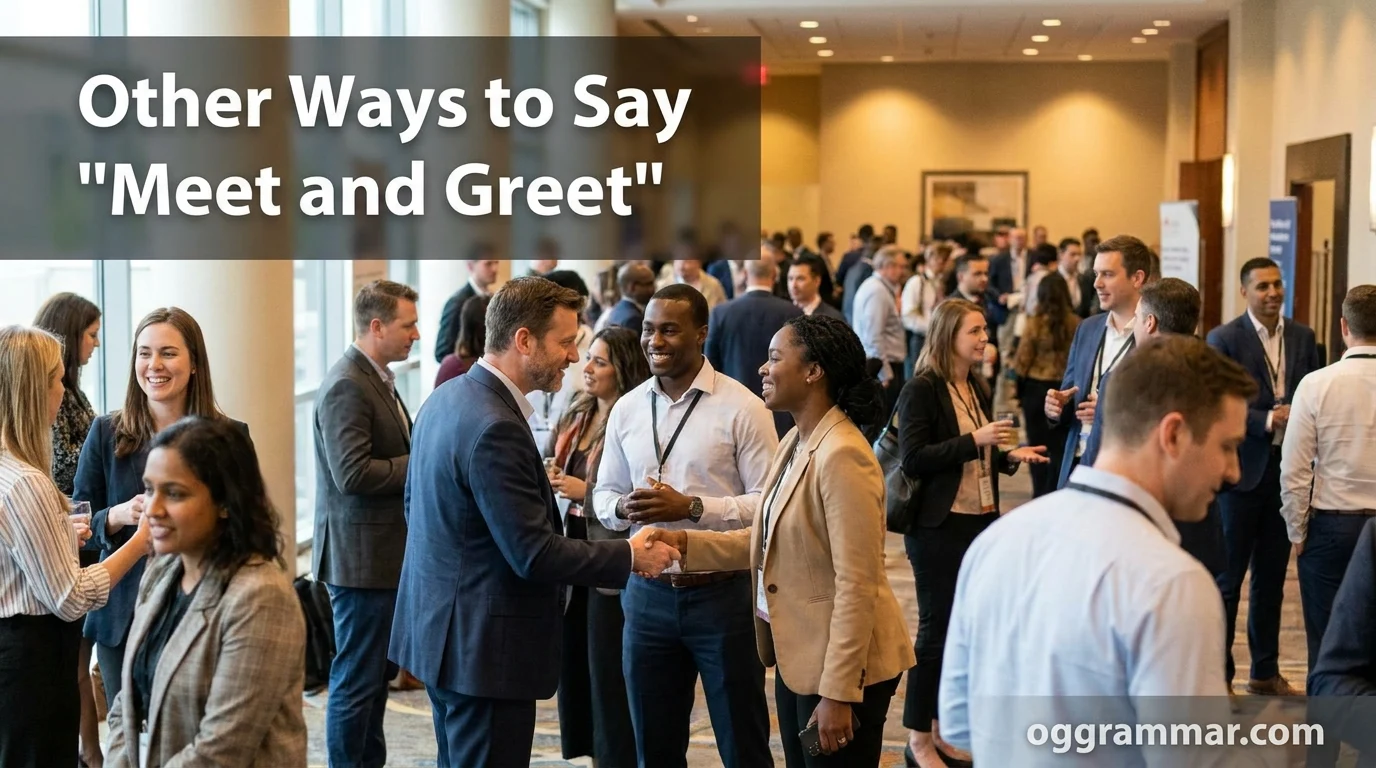
A “meet and greet” can sound simple on paper, but in real life it can carry a lot of meaning.
Sometimes it is a formal event with introductions and handshakes. Sometimes it is a relaxed gathering where people mingle, exchange names, and make a first impression, Sometimes it is a professional networking opportunity. Other times, it is just a friendly way to bring people together. That is why people search for other ways to say it. They want wording that fits the setting, sounds more polished, and feels more natural.
That is where communication skills matter. An articulate speaker knows that a phrase can shape how an event feels before it even begins. An expressive communicator understands that the same gathering can sound formal, casual, welcoming, or strategic depending on the wording. Whether you are improving eloquent writing, verbal intelligence, storytelling skills, or communication mastery, having alternatives to “meet and greet” helps you sound more flexible and precise.
People who are good with words often notice this instinctively. They know that language is not just about meaning. It is about tone, timing, and relationship. A thoughtful phrase can make an event feel welcoming and memorable instead of generic.
In this guide, you will find the best other ways to say “meet and greet,” along with meanings, tones, best-use cases, example sentences, detailed explanations, emotional or professional impact, and real-life usage context. You will also learn how to choose the right phrase based on the situation, what to avoid in professional settings, and how subtle changes in wording can make your communication feel more natural and effective.
Why wording matters when you describe an introduction event
A meet-and-greet is never just a meet-and-greet. It is part of the first impression.
A persuasive communicator understands that the words you choose can make the event feel:
- welcoming
- polished
- casual
- professional
- energetic
- organized
That matters because people often decide how they feel about an event before it even starts. If the wording sounds warm and clear, the event feels more approachable. If it sounds professional and refined, it feels more credible, If it sounds overly casual or vague, it can lose impact.
Communication mastery is not only about being clear. It is about being clear in a way that fits the moment.
What “good with words” means here
Being good with words does not mean using fancy language for no reason. It means choosing the phrase that fits the audience, the setting, and the impression you want to create. An expressive communicator knows when to be formal, when to be warm, and when to keep things simple.
Did you know?
People often respond more positively to invitations and event descriptions when they can quickly picture the atmosphere. A clear phrase can help them understand whether the event is formal, social, business-focused, or casual.
Quick comparison table of alternatives
| Alternative Phrase | Tone | Meaning | Best Use Case |
| Welcome reception | Formal, polished | A planned event for greeting attendees | business, events, ceremonies |
| Introductory session | Professional, structured | A session for introductions and orientation | workplaces, classes, organizations |
| Networking event | Professional, strategic | An event for making connections | business, career, industry gatherings |
| Open house | Friendly, inviting | A drop-in event for welcoming guests | schools, businesses, community events |
| Social mixer | Casual, upbeat | A relaxed event for mingling | parties, clubs, student events |
| Get-together | Warm, informal | A casual gathering | friends, family, small groups |
| Orientation session | Formal, informative | A structured welcome and introduction | onboarding, schools, organizations |
| Welcome event | Neutral, inviting | A general event to greet guests | conferences, communities, businesses |
| Introduction meeting | Formal, direct | A meeting focused on introductions | work, professional settings |
| Kick-off event | Energetic, organized | An opening event that starts something | projects, campaigns, launches |
| Reception | Polished, flexible | A formal or semi-formal receiving event | weddings, offices, ceremonies |
| Community gathering | Warm, inclusive | A social or public get-together | neighborhoods, nonprofits, events |
| Meet-up | Casual, modern | An informal gathering to meet people | social circles, hobby groups |
| Mingle session | Social, interactive | A time for informal conversation | conferences, networking, events |
| Welcoming ceremony | Formal, ceremonial | A structured event honoring arrivals | schools, faith groups, formal occasions |
Best other ways to say “Meet and Greet”
Welcome Reception
Meaning
A planned event where guests are formally welcomed.
Tone
Formal, polished, and organized.
Best Use Case
Conferences, corporate events, ceremonies, guest welcomes.
Example Sentence
“The company will host a welcome reception for the new executives.”
Detailed Explanation
This phrase sounds professional and intentional. It suggests structure, hospitality, and formality, which makes it a strong choice for business or ceremonial settings.
Emotional or Professional Impact
It feels respectful, polished, and well-managed.
Real-Life Context
Used in office events, official gatherings, and formal invitations.
Introductory Session
Meaning
A session designed to help people meet, learn names, or get oriented.
Tone
Professional, structured, and informative.
Best Use Case
Workshops, onboarding, training, school settings.
Example Sentence
“The introductory session will help new employees meet the team and learn the basics.”
Detailed Explanation
This phrase is useful when the goal is not only to meet people but also to provide useful information. It works especially well in structured environments.
Emotional or Professional Impact
It feels organized, practical, and clear.
Real-Life Context
Used in business onboarding, classroom settings, and training programs.
Networking Event
Meaning
An event designed for making professional or social connections.
Tone
Professional, strategic, and modern.
Best Use Case
Career fairs, industry gatherings, business functions.
Example Sentence
“The networking event brought together professionals from across the industry.”
Detailed Explanation
This phrase works well when the main goal is connection rather than casual socializing. It suggests purpose and opportunity.
Emotional or Professional Impact
It feels ambitious, useful, and career-oriented.
Real-Life Context
Used in business, professional development, and industry events.
Open House
Meaning
A welcoming event where guests can visit freely and interact.
Tone
Friendly, inviting, and accessible.
Best Use Case
Schools, real estate, community groups, organizations.
Example Sentence
“The school is hosting an open house for parents and new students.”
Detailed Explanation
This phrase implies a drop-in style event where people can come, look around, and meet others naturally. It is warm and practical at the same time.
Emotional or Professional Impact
It feels open, welcoming, and approachable.
Real-Life Context
Used in education, business tours, and community events.
Social Mixer
Meaning
A casual event meant for mingling and conversation.
Tone
Upbeat, social, and relaxed.
Best Use Case
Young adult events, clubs, informal networking, parties.
Example Sentence
“The social mixer gave everyone a chance to meet and chat informally.”
Detailed Explanation
This phrase suggests movement, conversation, and easygoing interaction. It is especially useful when the goal is to encourage natural mingling.
Emotional or Professional Impact
It feels lively and interactive.
Real-Life Context
Used in social groups, student events, and informal gatherings.
Get-Together
Meaning
A casual gathering of people.
Tone
Warm, informal, and friendly.
Best Use Case
Friends, family, small social events.
Example Sentence
“We’re having a small get-together this weekend to welcome the new neighbors.”
Detailed Explanation
This is one of the most natural alternatives because it sounds friendly and relaxed. It is not formal, but it is very easy to understand and use.
Emotional or Professional Impact
It feels personal, cozy, and easygoing.
Real-Life Context
Used in casual invitations, family gatherings, and social plans.
Orientation Session
Meaning
A structured introduction to a place, group, or process.
Tone
Formal, helpful, and informative.
Best Use Case
Schools, workplaces, organizations, onboarding.
Example Sentence
“The orientation session will introduce new members to the team and the schedule.”
Detailed Explanation
This phrase is especially useful when the meet-and-greet has an educational or onboarding purpose. It implies information, guidance, and first contact.
Emotional or Professional Impact
It feels useful, organized, and professional.
Real-Life Context
Used in universities, jobs, nonprofits, and training programs.
Welcome Event
Meaning
A general event meant to receive and greet guests.
Tone
Neutral, inviting, and polished.
Best Use Case
Any event that focuses on greeting newcomers or guests.
Example Sentence
“The welcome event will begin with refreshments and introductions.”
Detailed Explanation
This phrase is flexible and works in many different settings. It is less specific than “welcome reception,” which makes it a practical all-purpose option.
Emotional or Professional Impact
It feels inviting and well-organized.
Real-Life Context
Used in schools, businesses, conferences, and communities.
Introduction Meeting
Meaning
A meeting focused on introductions rather than deep discussion.
Tone
Formal, direct, and businesslike.
Best Use Case
Workplace meetings, team onboarding, client introductions.
Example Sentence
“We scheduled an introduction meeting for the new team members and department heads.”
Detailed Explanation
This phrase is useful when the goal is simply to bring people together and help them learn who is who. It sounds more purposeful than a casual meet-and-greet.
Emotional or Professional Impact
It feels efficient, professional, and clear.
Real-Life Context
Used in office settings, consulting, and leadership communication.
Kick-Off Event
Meaning
An opening event that begins a project, campaign, or initiative.
Tone
Energetic, organized, and forward-looking.
Best Use Case
Business launches, project starts, team initiatives.
Example Sentence
“The kick-off event will introduce the team and outline the project goals.”
Detailed Explanation
This phrase goes beyond introductions and adds a sense of momentum. It is ideal when the meet-and-greet also marks the beginning of something important.
Emotional or Professional Impact
It feels dynamic and purposeful.
Real-Life Context
Used in business strategy, marketing, and team collaboration.
Reception
Meaning
A formal or semi-formal gathering for greeting guests.
Tone
Polished, classic, and adaptable.
Best Use Case
Weddings, business events, ceremonies, formal gatherings.
Example Sentence
“The reception included introductions, speeches, and light refreshments.”
Detailed Explanation
“Reception” is one of the most widely understood alternatives. It can sound formal or semi-formal depending on the event, which makes it very flexible.
Emotional or Professional Impact
It feels elegant and established.
Real-Life Context
Used in corporate functions, weddings, academic events, and ceremonies.
Community Gathering
Meaning
A group event focused on bringing people together.
Tone
Warm, inclusive, and friendly.
Best Use Case
Neighborhood events, nonprofits, schools, community groups.
Example Sentence
“The community gathering welcomed families from the area for introductions and conversation.”
Detailed Explanation
This phrase emphasizes connection and shared belonging. It is especially useful when the event is open, social, and community-centered.
Emotional or Professional Impact
It feels inclusive and thoughtful.
Real-Life Context
Used in local events, civic organizations, and public programs.
Meet-Up
Meaning
An informal gathering where people meet, talk, or network.
Tone
Casual, modern, and easygoing.
Best Use Case
Social groups, hobby clubs, casual networking.
Example Sentence
“We organized a meet-up for people interested in digital marketing.”
Detailed Explanation
This phrase has a modern feel and works especially well in online communities, hobby groups, or relaxed professional circles. It sounds less formal than “networking event.”
Emotional or Professional Impact
It feels approachable and current.
Real-Life Context
Used in online events, community groups, and informal professional gatherings.
Mingle Session
Meaning
A time set aside for informal conversation and interaction.
Tone
Social, interactive, and upbeat.
Best Use Case
Conferences, corporate events, mixers, after-parties.
Example Sentence
“The mingle session gave guests time to introduce themselves and exchange ideas.”
Detailed Explanation
This phrase works especially well when conversation is the main goal. It suggests movement, exchange, and relaxed interaction.
Emotional or Professional Impact
It feels lively and socially open.
Real-Life Context
Used in conferences, workshops, and event planning.
Welcoming Ceremony
Meaning
A formal or ceremonial event to honor and greet people.
Tone
Formal, respectful, and ceremonial.
Best Use Case
Schools, faith groups, official organizations, public ceremonies.
Example Sentence
“The welcoming ceremony introduced the new students and honored their arrival.”
Detailed Explanation
This phrase is more formal and ceremonial than most of the others. It is ideal when the event has symbolic importance or a structured presentation.
Emotional or Professional Impact
It feels dignified and respectful.
Real-Life Context
Used in school assemblies, cultural programs, and formal welcomes.
Formal vs casual alternatives
Formal alternatives
Use these when you want to sound polished and professional:
- Welcome reception
- Introductory session
- Orientation session
- Reception
- Introduction meeting
Casual alternatives
Use these when you want to sound more natural and conversational:
- Get-together
- Meet-up
- Social mixer
- Mingle session
- Community gathering
Why tone matters
An articulate speaker knows that a meet-and-greet is not one-size-fits-all. Communication mastery means choosing the phrase that fits the audience, the setting, and the purpose of the event.
Why communication skills matter in event descriptions
A simple event title may seem small, but it can shape how people expect the experience to feel.
People notice whether you sound:
- formal
- welcoming
- friendly
- organized
- professional
- inclusive
That is why people who are good with words often vary how they name events. They know that one phrase can make an invitation feel more appealing and clear.
How to choose the right synonym based on context
For business and professional settings
Choose:
- Welcome reception
- Networking event
- Orientation session
- Introduction meeting
- Kick-off event
For casual and social settings
Choose:
- Get-together
- Meet-up
- Social mixer
- Mingle session
- Community gathering
For formal or ceremonial settings
Choose:
- Welcome event
- Reception
- Welcoming ceremony
- Introductory session
Why the audience matters
A phrase should fit not just the event, but the people attending it. The best wording makes the event feel easy to understand and inviting from the start.
Common mistakes when naming a meet and greet
Being too vague
If the phrase is too general, people may not know what kind of event it is.
Being too formal for a casual gathering
“Welcoming ceremony” can feel too stiff for a simple social meet-up.
Being too casual for a professional setting
“Hangout” or “get-together” may weaken the tone of a business event.
Forgetting the purpose
The best name should reflect whether the event is social, professional, ceremonial, or introductory.
Words to avoid in professional settings
Avoid wording that may sound too casual, too vague, or too playful in formal communication:
- “hangout” if the event is official
- “chill session” if the audience expects professional language
- slang-heavy labels in business writing
- anything that sounds careless when professionalism is needed
Better professional choices
Use:
- Welcome reception
- Orientation session
- Networking event
- Introduction meeting
- Kick-off event
The psychology behind influential language
An event name does more than describe the occasion. It shapes expectations.
A charismatic speaker understands that:
- clear wording reduces uncertainty
- polished wording builds trust
- inviting wording creates comfort
- specific wording makes the event feel purposeful
That is why persuasive language matters. It helps your message feel intentional rather than generic.
Did you know?
People are more likely to attend events when the title helps them quickly understand the atmosphere and purpose. A name that feels clear and welcoming can make a big difference.
Practical tips to improve verbal communication skills
Be specific
Choose the phrase that fits the event and the audience.
Match tone to audience
Use polished wording in professional settings and more relaxed wording with friends or casual groups.
Keep it natural
The best phrase sounds like something you would genuinely say.
Practice variation
Try rephrasing “meet and greet” in different tones:
- formal
- casual
- professional
- social
- ceremonial
Observe strong communicators
Public speaking, eloquent writing, and everyday conversation all improve when you notice how skilled speakers describe gatherings with clarity and style.
Scenario-based examples
In a company email
Instead of: “We are hosting a meet and greet.”
Try: “We are hosting a welcome reception for new team members.”
Why it works: It sounds polished and professional.
In a social group chat
Instead of: “We’re having a meet and greet.”
Try: “We’re planning a casual get-together so everyone can meet.”
Why it works: It sounds friendly and relaxed.
In a conference invitation
Instead of: “Meet and greet with guests.”
Try: “Networking event with a brief introduction session.”
Why it works: It sounds purposeful and clear.
In a community announcement
Instead of: “Meet and greet for new residents.”
Try: “Community gathering to welcome new residents.”
Why it works: It sounds warm and inclusive.
Practical phrases readers can use immediately
Formal
- Welcome reception
- Introductory session
- Orientation session
- Introduction meeting
- Welcoming ceremony
Balanced
- Welcome event
- Networking event
- Reception
- Kick-off event
- Community gathering
Casual
- Get-together
- Meet-up
- Social mixer
- Mingle session
- Hangout not listed above, but often used informally
FAQs
What is a professional way to say “meet and greet”?
Professional alternatives include:
- Welcome reception
- Networking event
- Introductory session
- Orientation session
- Introduction meeting
What is a casual alternative?
Casual alternatives include:
- Get-together
- Meet-up
- Social mixer
- Mingle session
- Community gathering
What phrase sounds the most polished?
“Welcome reception” and “Introductory session” sound especially polished.
What should I use in a business event title?
Use:
- Welcome reception
- Networking event
- Introduction meeting
- Kick-off event
- Orientation session
Is “meet and greet” too common?
Not at all. It is perfectly fine, but alternatives can make your event description feel clearer and more tailored.
How can I sound more articulate in event descriptions?
Choose wording that fits the audience and avoid repeating the same phrase every time.
What is the difference between “reception” and “welcome event”?
“Reception” sounds slightly more formal and traditional, while “welcome event” is broader and more neutral.
Why does tone matter so much?
Because tone affects whether an event feels formal, casual, inviting, or overly stiff.
How can I improve communication mastery?
Practice rephrasing event names and observe how effective communicators tailor their wording to the moment.
Can better wording make an event sound more appealing?
Absolutely. Thoughtful phrasing can make your event feel more welcoming, organized, and memorable.
Conclusion
Learning other ways to say meet and greet helps your communication sound more natural, more polished, and more adaptable in different situations. Whether you choose welcome reception, networking event, open house, social mixer, get-together, or orientation session, the right phrase can make your event feel more genuine and memorable.
An articulate speaker understands that a meeting is not just a meeting. It is a reflection of tone, purpose, and relationship. An expressive communicator knows how to make the same gathering sound formal, casual, professional, or ceremonial depending on the moment. And someone with strong communication mastery knows that the best words are the ones that fit the audience, the setting, and the impression you want to create.
The more intentionally you choose your words, the more confident, clear, and memorable your communication becomes.
